PARENTS' MOVEMENT
Formation of Parent-Led Local Groups: Pennsylvania Association for Retarded Children (PARC)
Parents advocacy group, early 1950s, TheArcPA.
Across the U.S., parents of children with disabilities formed small groups to address school exclusion. They raised awareness, organized meetings, and supported each other. In Pennsylvania, these efforts led to the creation of PARC in 1951. The Arc, originally called the National Association for Retarded Children, started as a parent-led effort in the early 1950s.
" The goals of PARC included to obtain the necessary legislation for the establishment, construction and maintenance at the public expense for free public schools and free institutions in the cities, towns, boroughs and villages, and to be staffed by teachers, instructors, physicians, psychiatrists, psychologists, neurologists, or any other person licensed by the Commonwealth of Pennsylvania to practice any of the medical professions, as well as nurses and other persons especially trained for the purpose of aiding, guiding, instructing, treating and rehabilitating children who are mentally retarded, blind, crippled, deaf, the victims of cerebral palsy, and who may be afflicted in some such similar manner regardless of their race, creed, color or national origin. After the legislation aforementioned is obtained and implemented, to aid such schools and institutions as far as possible."
- The Arc of PA, 1949
The Influence of President Kennedy and Demand for Federal Action
President Kennedy’s personal connection to intellectual disabilities, through his sister Rosemary, sparked his commitment to advocating for federal action in the 1960s. His sister’s story, shared by Eunice Kennedy Shriver, helped shift public perception and empower families to demand equality and inclusion for individuals with disabilities.
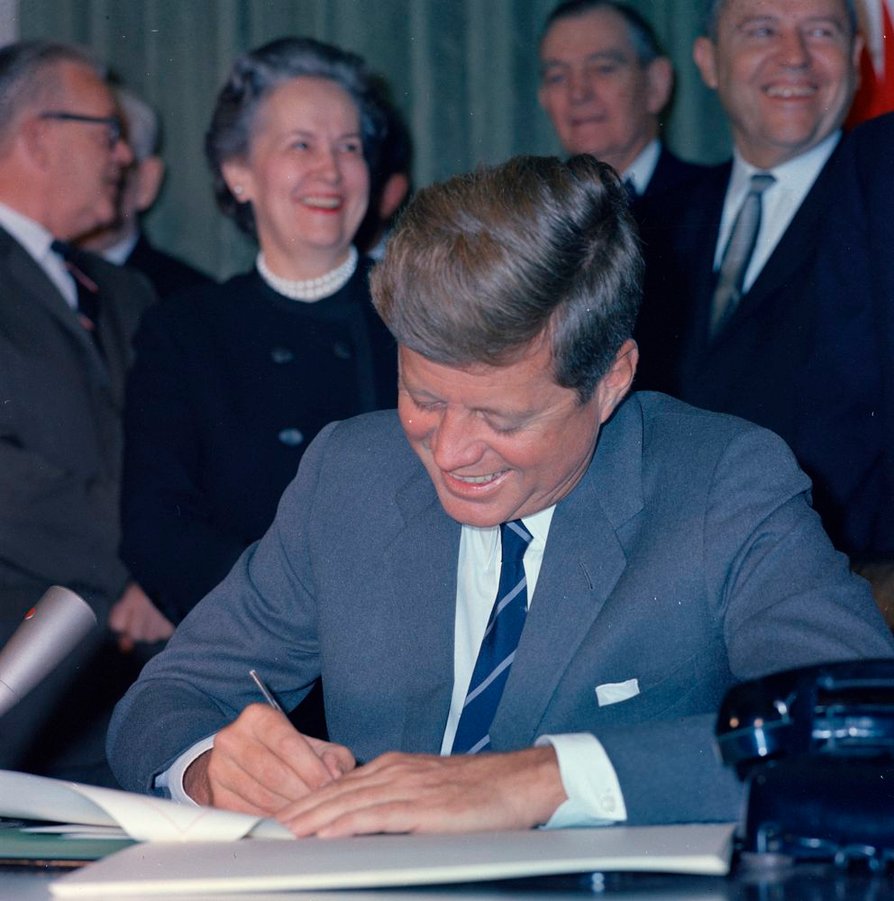
President John F. Kennedy signed a bill ,1961,Parallels in Time.
President John F. Kennedy speech on Mental Illness and Mental Retardation, 1963, JFK Presidential Library and Museum.
The article below served as a powerful example of how advocacy and public awareness were crucial responsibilities in securing the right to education. By bringing national attention to the mistreatment of individuals with intellectual disabilities, Shriver’s work helped challenge exclusionary attitudes, reinforcing the broader fight for educational access and legal protections.
Eunice Kennedy Shriver's Post, 1963, The Saturday Evening Post.
"We as a nation have long neglected the mentally ill and the mentally retarded. This neglect must end…in my recent message on education, I recommended that at least 10 percent of the proposed aid for elementary and secondary education be committed by the States to special project grants designed to stimulate and make possible the improvement of educational opportunities particularly in slum and distressed areas, both urban and rural. I again urge special consideration by the Congress for this proposal. It will not only help improve educational quality and provide equal opportunity in areas which need assistance; it will also serve humanity by helping prevent mental retardation among the children in such culturally-deprived areas."
-President John F. Kennedy, 1963
Public Awareness and Lobbying
In 1955, Pennsylvania enacted funding for special education classes, due to PARC's advocacy. In Minnesota, parents groups secured state support for the education of children with intellectual disabilities, inspiring similar efforts worldwide.
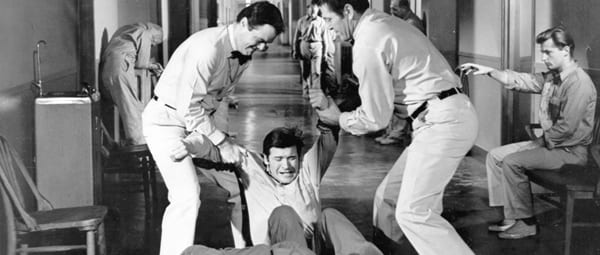
Patients stranded without support, 1950s, Historical Timeline of Special Education.
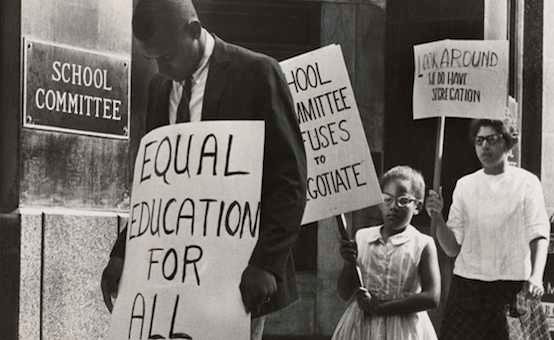
Equal education rally, 1950s, Historical Timeline of Special Education.
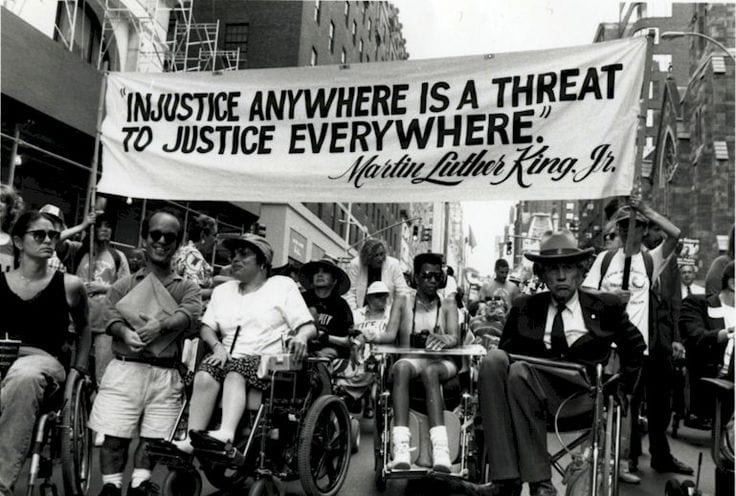
Disability Rights Movement, 1950s, Historical Timeline of Special Education.